Advertising and promotion are essential for growing any Australian small business. But many owners struggle to understand the difference and how to use both effectively. Simply put, advertising is paying to get your message in front of people, while promotion involves activities that boost interest and sales, often without direct payment. Knowing when and how to use each can improve your visibility, lead generation, and ultimately, your bottom line.
Most business owners get stuck because they treat advertising and promotion as the same thing or focus on one while neglecting the other. This leads to wasted budgets, inconsistent results, and frustration. I’ve helped many Australian startups and service businesses untangle this confusion by showing them practical ways to combine advertising and promotion into a strategic marketing system.
Melissa Peacock, founder of Business Mentoring Australia, explains: "Most business advice online tells owners what to do, but not how to actually implement it. Business Mentoring Australia was created to bridge that gap with practical education around marketing, websites, automation, lead nurturing, and sustainable business growth."
This article will clarify the difference between advertising and promotion, explain why both matter, and provide a practical framework to implement them effectively. You’ll also find a comparison table, a checklist, and actionable steps to improve your marketing right now.
TL;DR: Advertising means paying to place your message; promotion is any activity that encourages sales or interest. Use both strategically to increase leads, build brand awareness, and grow sustainably.
What is the difference between advertising and promotion?
Advertising is paid communication to reach a target audience, while promotion includes all activities to boost product or service sales, often without direct payment.
Advertising typically involves channels like Google Ads, Facebook, Instagram, LinkedIn, or traditional media. It’s about visibility and reaching new prospects fast. Promotion covers tactics like discounts, events, contests, email marketing campaigns, and social media engagement. It’s focused on encouraging action, nurturing leads, and building customer relationships.
For example, running a Facebook ad to attract new customers is advertising. Offering a limited-time discount or hosting a free workshop to generate interest is promotion.
Why do most Australian small businesses stay stuck using advertising and promotion?
Many business owners confuse the two or rely solely on one approach. They might spend heavily on ads without a promotional plan to nurture leads or run promotions without the reach to attract enough attention.
Another common issue is inconsistent messaging and lack of integration between advertising and promotion. This leads to poor conversion rates and wasted marketing dollars.
Overwhelm and time poverty make it hard to create structured marketing systems that combine both effectively. I’ve seen clients struggle to get even basic website SEO or email automation working alongside ads and promotions.
How can I practically implement advertising and promotion together?
Start by defining clear goals: Are you aiming for brand awareness, lead generation, or immediate sales? Then map out your customer journey and identify touchpoints where advertising and promotion can work in sync.
Here’s a simple 4-step action sequence you can follow:
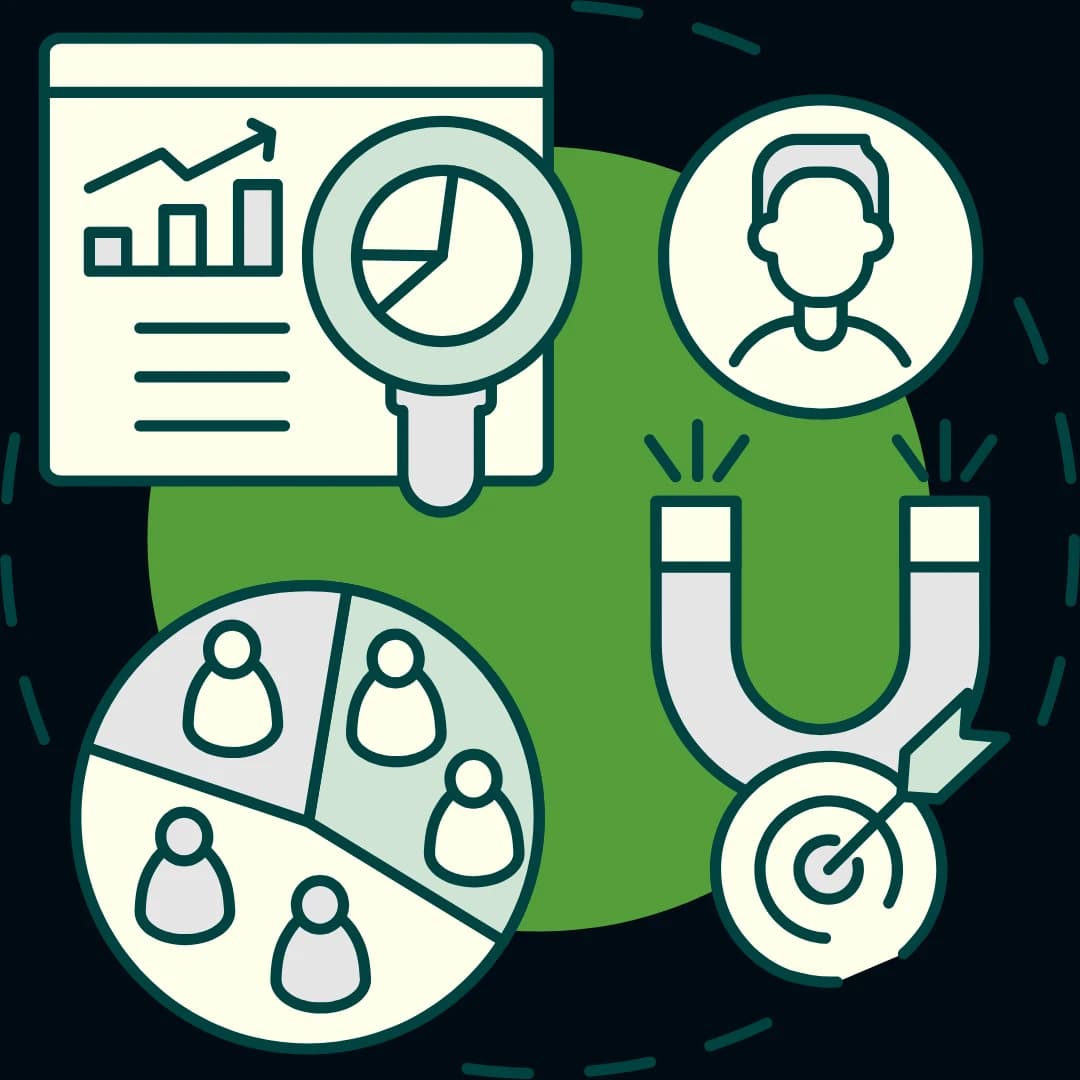
- Identify your target audience: Use Google Analytics, Facebook Insights, or LinkedIn data to understand who your ideal customers are.
- Create compelling advertising campaigns: Use paid ads on Google or social media to reach your audience with clear messaging and a strong call to action.
- Design promotions to nurture leads: Use email marketing, limited-time offers, or webinars to engage prospects and encourage conversions.
- Automate follow-ups: Use CRM and email automation tools to stay in touch and move leads through your sales funnel.
This approach ensures your advertising brings in the right people, and your promotions convert them into customers.
Advertising vs Promotion: What mistakes cost Australian small businesses the most?
Here’s a quick comparison table to highlight common mistakes and how to avoid them:
| Aspect | Common Mistake | How to Fix It |
|---|---|---|
| Advertising | Spending on ads without clear targeting or goals | Define your audience and objectives before launching ads |
| Advertising | Ignoring ad analytics and optimisation | Regularly review ad performance and adjust targeting and creatives |
| Promotion | Running promotions without follow-up systems | Integrate promotions with email nurturing and CRM automation |
| Promotion | Using inconsistent messaging across channels | Develop clear brand messaging and use it across all promotions |
| Both | Isolating advertising and promotion efforts | Create a combined marketing system for seamless customer journeys |
What practical improvements can I make to my advertising and promotion now?
Start with this checklist to ensure your advertising and promotion are set up for success:
- Have you clearly defined your ideal customer?
- Are your advertising messages aligned with your promotional offers?
- Do you use CRM or email automation to follow up on leads?
- Are you tracking the ROI of both advertising and promotional activities?
- Is your website optimised to convert traffic from ads and promotions?
- Do you regularly review and adjust your marketing based on data?
Taking these steps will reduce waste, improve lead quality, and increase sales consistency.
How do I integrate advertising and promotion with digital marketing tools?
Digital tools like Google Ads, Facebook Ads Manager, CRMs (like HubSpot or Zoho), and email platforms (like Mailchimp or ActiveCampaign) make integration easier. Use Google Analytics to track ad traffic, then trigger automated email sequences based on user behaviour.
For example, you could run a Google ad campaign targeting local customers, then use a landing page with an offer. When someone signs up, your CRM triggers an email series nurturing them toward booking your service.
Automation reduces founder overwhelm by handling repetitive tasks and ensures consistent lead nurturing without manual effort.
What role does customer psychology play in advertising and promotion?
Understanding customer psychology helps you craft messages that resonate and motivate action. For instance, scarcity (limited-time offers) and social proof (testimonials) are powerful promotional tools.
Advertising should clearly communicate benefits and address objections. Promotion should nurture trust and create urgency without pressure.
Using language that reflects your audience’s needs and concerns improves conversion rates.
How do I measure success in advertising and promotion?
Track metrics like click-through rates, conversion rates, cost per lead, and customer acquisition cost. Use tools like Google Analytics and Facebook Insights for advertising, and email platform reports for promotions.
Regularly review these metrics to identify what’s working and where to improve. Remember, consistent small improvements in both areas compound to sustainable growth.
What are some quick wins for Australian small businesses?
Focus on local SEO to boost organic traffic, run targeted Facebook ads with clear offers, and use email marketing to stay top of mind. Even simple automated follow-ups can increase sales significantly.
For example, a trades business I worked with boosted leads by 30% within two months by combining Google Ads with a promotional email series offering a free quote.
Frequently Asked Questions (FAQ)
What’s the best advertising channel for small Australian businesses?
It depends on your audience. Google Ads and Facebook Ads are top choices for most service-based businesses due to targeting options and reach. LinkedIn works well for B2B businesses.
Can I do promotion without advertising?
Yes, but your reach will be limited. Promotion alone is great for nurturing existing customers or local word-of-mouth but combining it with advertising expands your audience faster.
How much should I budget for advertising and promotion?
Start with 5-10% of your revenue, adjusting based on results. Track ROI closely and reallocate funds to the most effective channels and promotions.
Ready to get practical help with advertising and promotion?
If you’re overwhelmed or unsure where to start, booking a mentoring session can clarify your strategy and implementation. At Business Mentoring Australia, we focus on practical, hands-on mentoring that helps you take action immediately.
Book a mentoring session today and start growing your business with clear advertising and promotion strategies.
---